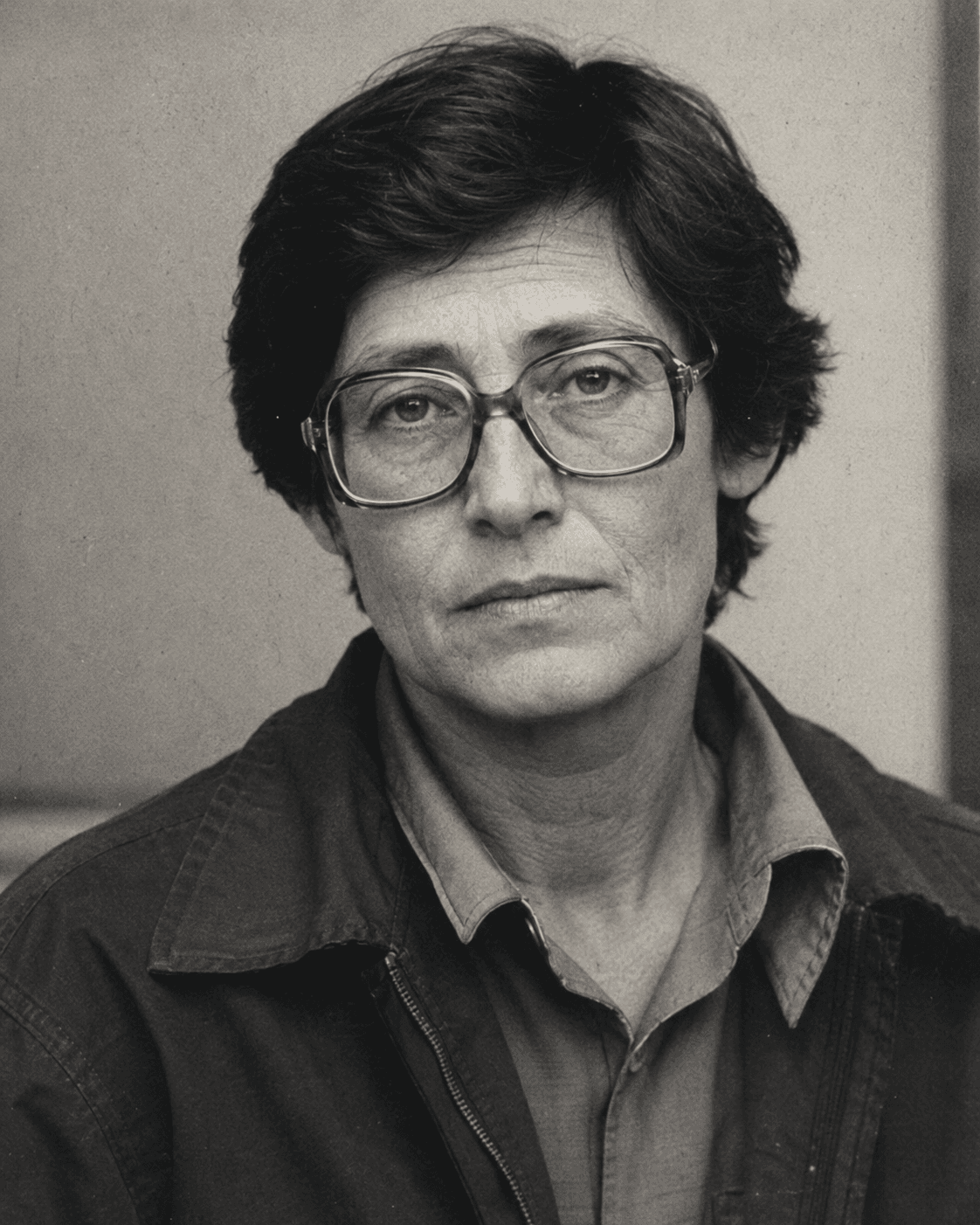
Mara Devlin
Kandahar/Toronto relay
A report on how landscapes remember conflict after the official microphones leave.
Civic memory / Civic memoryReports from Mara Devlin, Ernesto Varela, and Ewan Calder.
The Dispatches let the Reader speak without explaining itself. Each correspondent files in a different weather: Mara tracks public memory, Ernesto tracks signal politics, Ewan tracks the patience of natural systems.
They are not mascots. They are voices with habits, blind spots, courage, and fatigue. Their reports keep the site from becoming only aesthetic.
Correspondents' Dispatches was created so the Reader could have human weather without becoming confessional. The files are signed, but the place remains first.
Mara Devlin files like someone who has seen institutions fail and still believes in public memory. Ernesto Varela hears politics in signal paths, school narration, and exile radio. Ewan Calder writes as if silence were a natural resource that can be depleted.
The department's internal rule is simple: no heroic profiles. A correspondent exists to hold a field, a risk, a voice, and a method of attention.
A report on how landscapes remember conflict after the official microphones leave.
Civic memory / Civic memory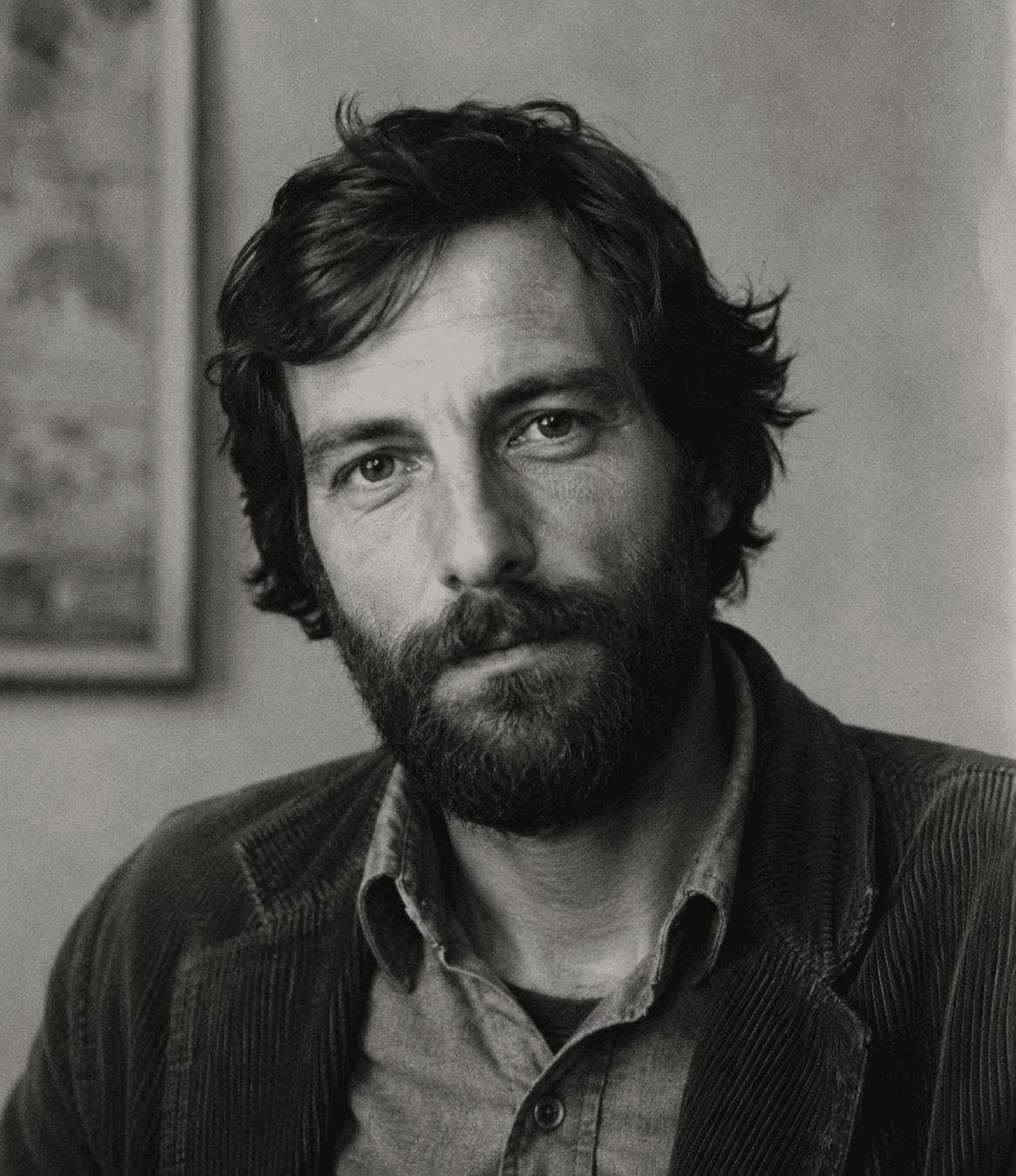
A study of school film narration, exile radio, and the politics hidden inside calm voices.
Signal desk / Signal desk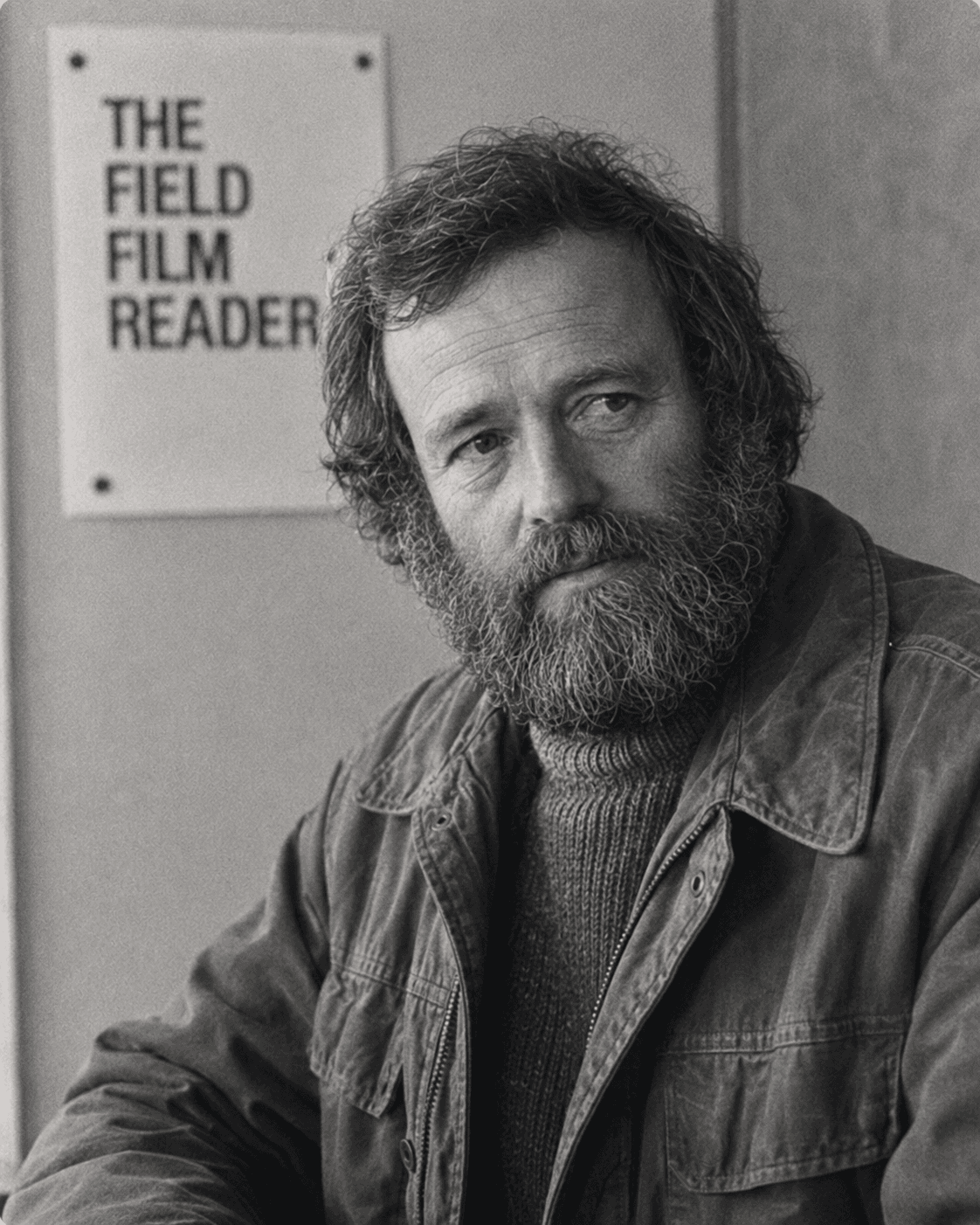
A quiet note on canoe water, bush-plane approach, and the mercy of not speaking for six hours.
Natural systems / Natural systemsEvery dispatch is tagged by pressure, visibility, civic risk, and animal presence.
Reports are written as field copy, not memoir. The person is present, but the place leads.
Each correspondent appears to be on leave from another institution that never quite asks for them back.
The correspondents should feel connected to documentary practice: recorded speech, first-hand witness, civic curiosity, and the ethics of listening.
The fictional staff should point back to the Reader's own lore without pretending to be historical fact.