The Field Film Reader field office mark

About the Field Film Reader

An imagined public-service field office for archival nature film, listening paths, and annotated ways of seeing.

A trusty field reporter for image, sound, and memory

The Field Film Reader behaves like a field desk that has been on the air for fifty years: part educational broadcaster, part documentary film unit, part late-night listening room. It looks for the place where public information becomes dream material.

It is not CBC, the National Film Board of Canada, or Boards of Canada. Those are reference points and inspirations: public-service clarity, documentary patience, and music as memory weather.

Collect the field. Time the signal. Print the reader.

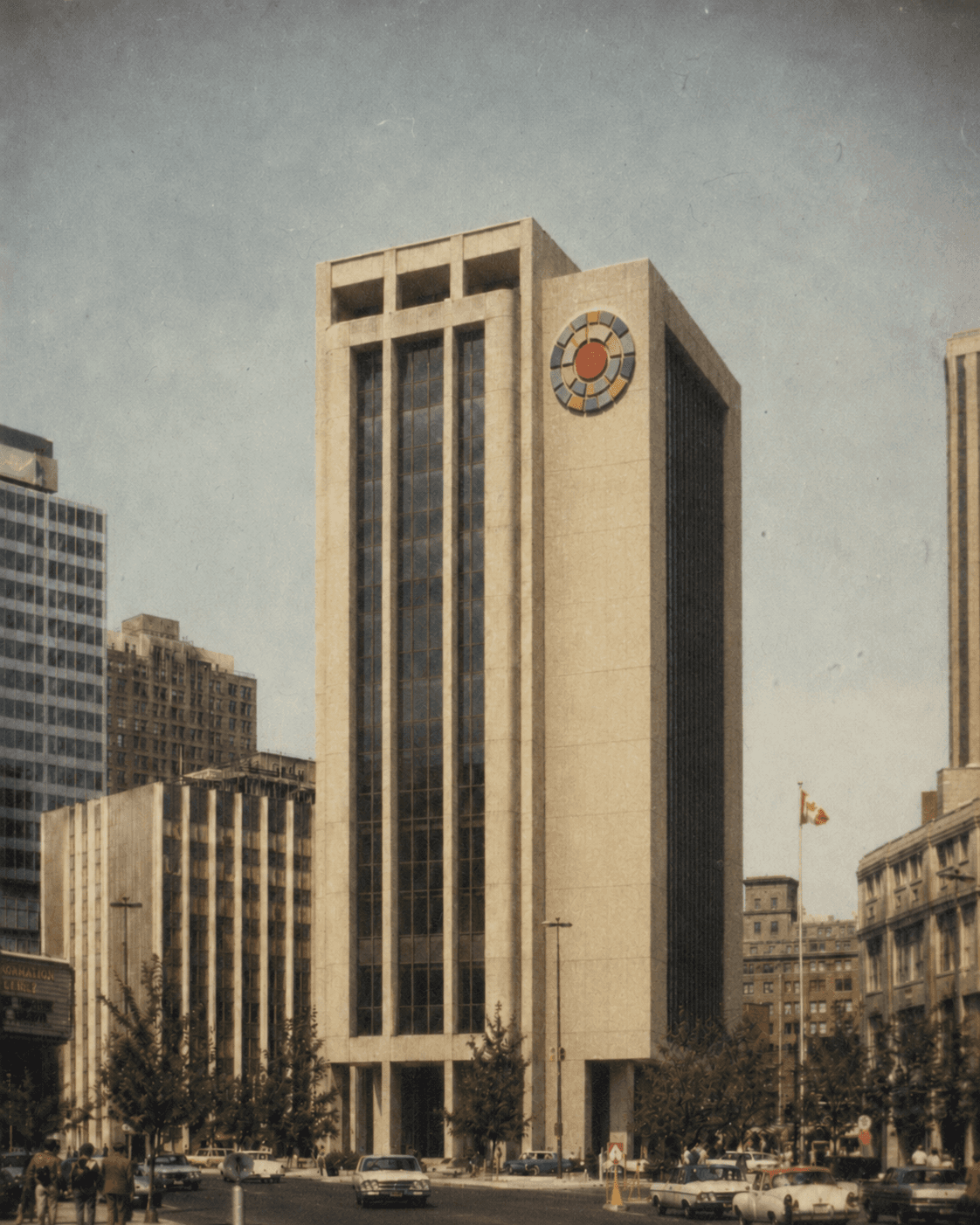
Imagined Field Film Reader headquarters building in Toronto, Canada
Field Film Reader Headquarters, Toronto, Canada

The station in the city

In the Reader's internal mythology, the field office occupies a concrete broadcast tower in Toronto: part archive, part listening desk, part weather station for public memory.

The building is an imagined headquarters, a civic address for the project's voice. From here, the correspondents file reports from ponds, roadsides, classrooms, tape rooms, coastlines, and late-night signals.

Correspondent Desk

Three staff cards remain in the drawer beside the tape room. Nobody agrees whether the Reader hired them, borrowed them from other desks, or simply kept them on leave too long. Their reports are filed as weather: civic, signal, and natural.

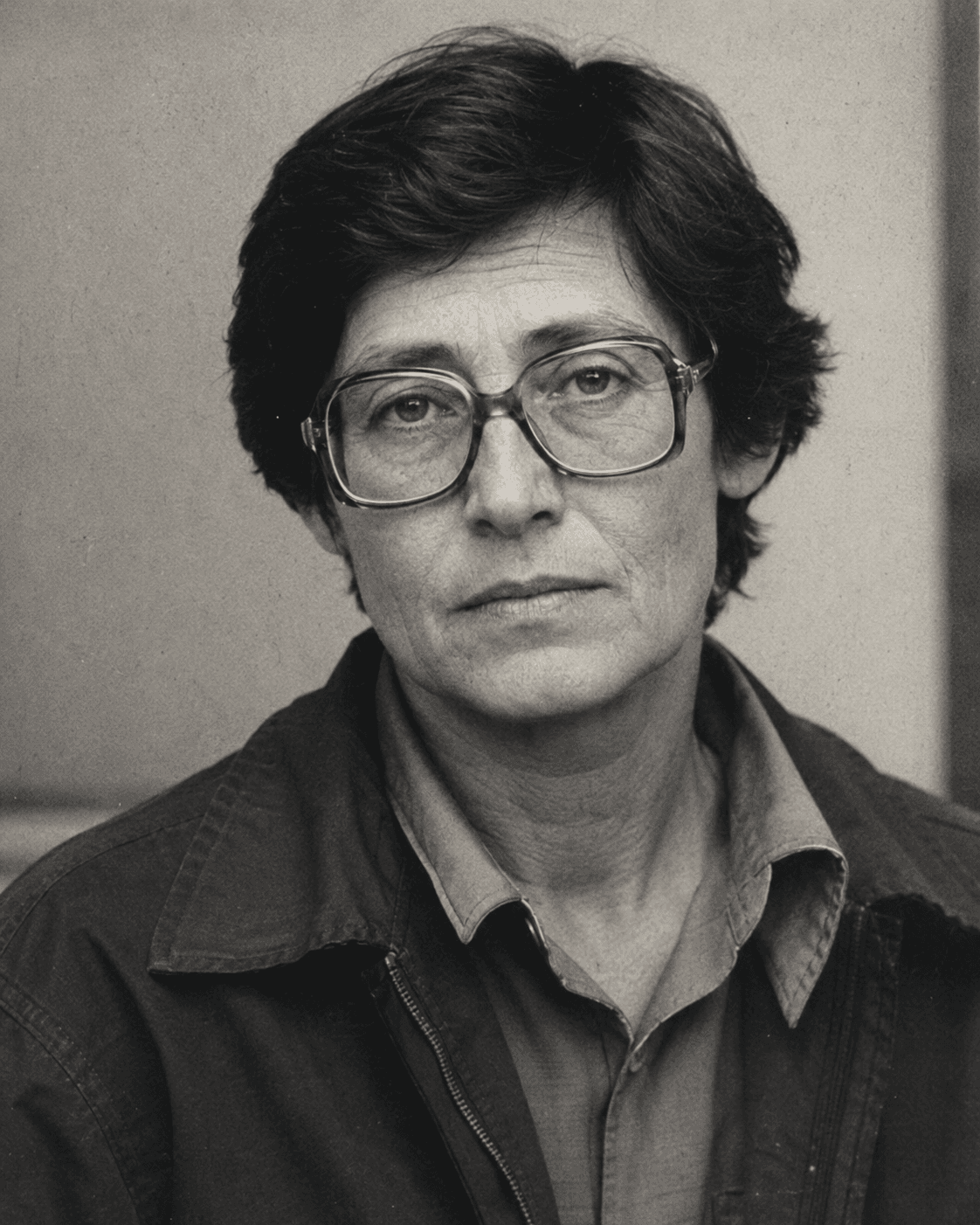
Black-and-white fictional staff portrait of Mara Devlin, Chief Field Correspondent
FFR-C01

Mara Devlin

Chief Field Correspondent

Devlin arrived on indefinite leave from the foreign desk after Algeria, Cambodia, and the first winters of the Soviet-Afghan War. She is known for calm transmission under pressure, and for treating every landscape as evidence: who crossed it, who vanished into it, and what the official record failed to hear.

Civic memory / conflict weather / human signal
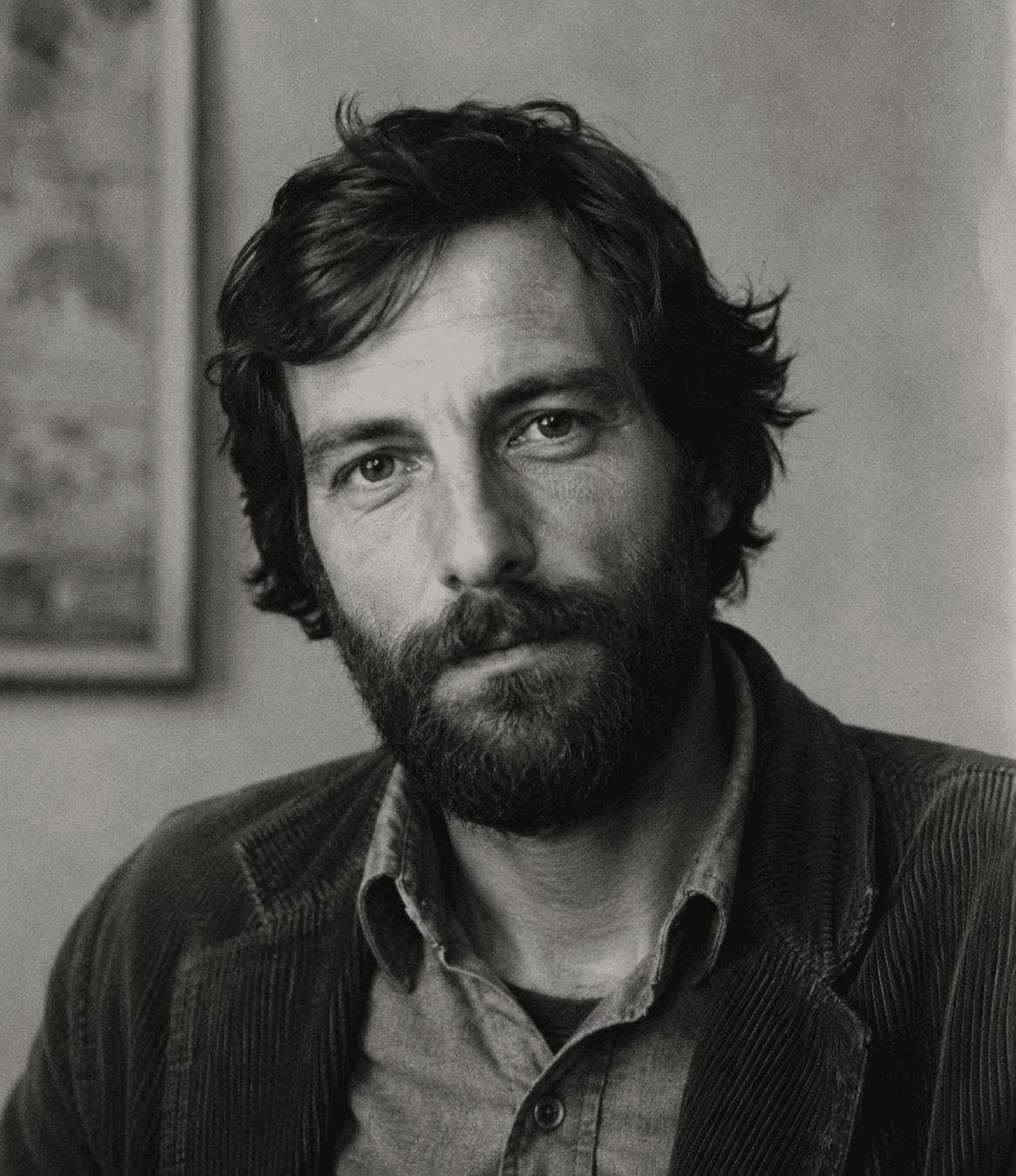
Black-and-white fictional staff portrait of Ernesto Varela, Chief Signal Correspondent
FFR-C02

Ernesto Varela

Chief Signal Correspondent

Born in Argentina, Varela passed through student radio, exile print shops, and Havana-adjacent broadcast circles before arriving with a suitcase of tapes and field notebooks. He listens for politics inside static, weather inside music, and the buried human signal inside institutional film.

Tape weather / field recordings / archival signal
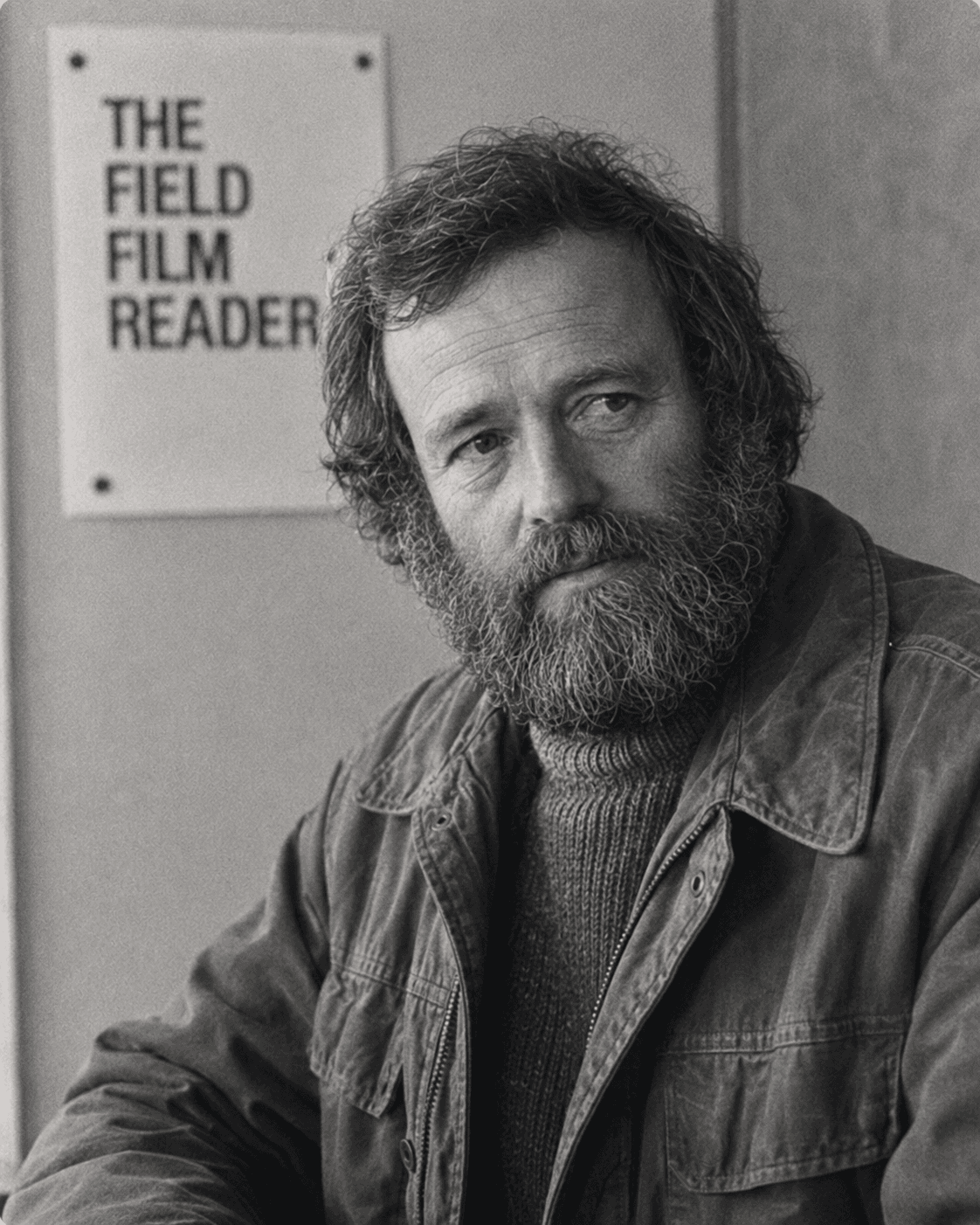
Black-and-white fictional staff portrait of Ewan Calder, Chief Natural Systems Correspondent
FFR-C03

Ewan Calder

Chief Natural Systems Correspondent

Before the Reader, Calder worked parks, forests, survey camps, and northern air routes, flying small planes across the Northwest Territories and Labrador margins. He is happiest with a quiet lake, a canoe, and six hours of usable silence.

Forests / water tables / animal weather

Watches the field

Public-domain and openly licensed footage becomes the raw weather report: ponds, maps, school rooms, migrations, shorelines, and strange instructional calm.

Scores the archive

Music is treated as a timing map, a mood instrument, and a way to hear images think across distance, memory, tape, and landscape.

Prints the signal

Every program keeps its paper trail: source notes, shot logic, explainers, treatises, chapters, and reading paths beside the image.

Signal History

A fictional operating log for a public-media station that could have existed, and somehow still does.

  1. Field office opens in the educational band

    The first imaginary dispatches are school films, pond lessons, weather maps, projectors, and calm public-media voices.

  2. The tape room gets stranger

    Nature reels, institutional graphics, helicopter views, and electronic music begin to share a common grammar.

  3. Off-air, still logging

    The Reader becomes a quiet archive of notes, timings, half-remembered broadcasts, and unlabeled reels waiting for a signal.

  4. Signal returns online

    The field desk reappears as a website for film treatments, essays, listening paths, source trails, and public-domain footage.

  5. Future-present relay

    Each program becomes a living reader: part broadcast, part annotation layer, part listening station for images with weather in them.

Operating Principles